
Why Does My Knee Swell? Causes, Warning Signs and Treatment

Why Does My Knee Swell? Causes, Warning Signs and Treatment
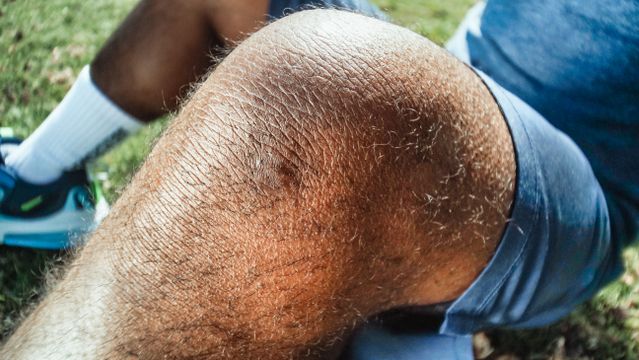
Have you noticed that your knee looks larger than usual, feels tight, or becomes difficult to bend? Knee swelling can develop after an injury, gradually over time, or without an obvious cause.
A swollen knee may be associated with fluid accumulating in or around the joint. The underlying reason can range from a minor strain to arthritis, a ligament injury, or an infection that requires urgent medical attention.
At Iaomai Physiotherapy Clinic, we help patients with knee pain and mobility difficulties through appropriate assessment and individualized rehabilitation.
What Causes Knee Swelling?
Several conditions can cause the knee to swell. Identifying the underlying cause is important because treatment depends on the problem responsible for the swelling.
1. Knee Injuries
Falls, sports injuries, sudden twisting movements, and accidents can damage structures within the knee.
Injuries involving ligaments, cartilage, or other joint structures may cause swelling, pain, stiffness, and difficulty bearing weight.
If swelling develops rapidly after a significant injury, seek prompt medical assessment.
2. Osteoarthritis
Osteoarthritis occurs when the structures within a joint undergo changes over time. It can cause knee pain, stiffness, reduced movement, and episodes of swelling.
Symptoms may be more noticeable after walking, climbing stairs, or standing for extended periods.
Appropriate exercise and physiotherapy may help improve strength, mobility, and daily function.
3. Overuse and Repetitive Activity
Increasing your exercise intensity suddenly, running longer distances than usual, or repeatedly placing stress on the knee can contribute to irritation and swelling.
Allowing appropriate recovery time and gradually increasing activity may help reduce the risk of overuse problems.
Persistent swelling should be assessed rather than assumed to be ordinary exercise soreness.
4. Meniscus Injuries
The menisci are pieces of cartilage that help distribute loads within the knee joint.
A twisting injury or age-related changes can damage a meniscus. Symptoms may include swelling, pain along the joint line, difficulty bending the knee, or catching and locking sensations.
A healthcare professional can assess your symptoms and determine whether further investigation is needed.
5. Bursitis
Bursae are small fluid-filled sacs that help reduce friction around joints.
When a bursa near the knee becomes inflamed, swelling and tenderness may develop in a particular area, sometimes after prolonged kneeling or repetitive pressure.
The location of the swelling and associated symptoms help guide assessment and treatment.
6. Gout and Other Inflammatory Conditions
Gout and some other inflammatory joint conditions can cause sudden episodes of pain, warmth, redness, and swelling.
A knee that becomes suddenly very painful, hot, or red needs prompt medical evaluation, particularly if you also have a fever.
7. Joint Infection
An infection affecting the knee joint can be serious and requires urgent medical treatment.
Warning signs include a hot, swollen joint, severe pain, restricted movement, and fever or feeling generally unwell. Do not try to manage these symptoms with physiotherapy alone.
What Other Symptoms May Occur With a Swollen Knee?
Depending on the cause, you may notice:
- Pain when walking or standing
- Stiffness after resting
- Difficulty bending or straightening the knee
- Warmth around the joint
- Redness
- A feeling of tightness
- Reduced ability to climb stairs
- Difficulty putting weight on the affected leg
The combination of symptoms, how quickly they developed, and whether an injury occurred can help a healthcare professional determine the next steps.
When Should You Seek Medical Attention?
Not every swollen knee is an emergency, but some symptoms need immediate attention.
Seek urgent medical care if:
- Your knee is hot and red, especially if you have a fever.
- You develop severe pain or swelling suddenly.
- You cannot put weight on the affected leg.
- Your knee looks deformed after an injury.
- You cannot move or straighten the knee following an injury.
A new, unexplained, or persistent swelling should also be assessed by a healthcare professional.
How Can Physiotherapy Help With Knee Problems?
Physiotherapy may be helpful for many knee conditions once the cause of the swelling has been assessed and urgent problems have been excluded.
Your rehabilitation program may include the following, depending on your diagnosis and symptoms.
Individual Assessment
A physiotherapist can assess your movement, strength, flexibility, walking pattern, and functional limitations. Where necessary, you may be referred for medical assessment or imaging.
Strengthening Exercises
Appropriate exercises can help strengthen the muscles around the knee and hip, improving support for everyday movements.
Mobility Exercises
When suitable, guided exercises can help restore comfortable knee movement and address stiffness.
Balance and Movement Training
Rehabilitation may include balance exercises and guidance on walking, climbing stairs, and returning to everyday activities safely.
Advice on Activity and Recovery
Your physiotherapist can help you adjust activities while symptoms settle and develop a gradual return-to-activity plan.
Treatment should be tailored to the underlying cause. Do not begin strenuous exercises or massage a hot, severely swollen knee before receiving appropriate medical advice.
What Can You Do at Home While Waiting for Assessment?
If the swelling is mild and there are no urgent warning signs, you may find it helpful to:
- Reduce activities that aggravate the knee.
- Avoid prolonged standing or strenuous exercise.
- Apply a cold pack wrapped in a towel for short periods.
- Elevate the leg comfortably when resting.
- Avoid forcing the knee to bend or straighten.
Do not apply ice directly to the skin. If the swelling worsens, pain becomes severe, or you develop other concerning symptoms, seek medical attention.
These measures are not a substitute for assessment when the cause of swelling is unclear.
Knee Pain Assessment and Physiotherapy in Abuja
If knee pain or swelling is affecting your walking, exercise, work, or daily routine, Iaomai Physiotherapy Clinic can help you explore appropriate assessment and rehabilitation options.
Our approach focuses on understanding your symptoms, identifying relevant movement difficulties, and developing a treatment plan suited to your needs.
Book an Appointment
Call or WhatsApp:
07073309997
08101168921
Head Office:
35 Road House 44, Gwarimpa Estate, Abuja
Branch:
No. 124 Ademola Adetokunbo Crescent, Wuse 2, Abuja
Frequently Asked Questions
Can a swollen knee go away on its own?
Mild swelling caused by a minor strain may improve with rest and appropriate care. However, persistent, recurring, unexplained, or worsening swelling should be assessed to identify its cause.
Should I walk with a swollen knee?
This depends on the cause and severity. Avoid activities that significantly increase pain or swelling. If you cannot bear weight, have severe pain, or developed swelling after a significant injury, seek prompt medical attention.
Can physiotherapy reduce knee swelling?
Physiotherapy may help manage the underlying condition and improve movement and function. However, the cause of the swelling should be established first, because some conditions require medical treatment rather than exercise alone.
Is knee swelling always a sign of arthritis?
No. Knee swelling can result from injuries, overuse, bursitis, inflammatory conditions, infection, and other causes. An assessment can help distinguish between them.
When should I worry about a swollen knee?
A hot or red knee with fever, sudden severe swelling, inability to bear weight, or swelling after a major injury warrants urgent medical assessment.
Related posts


Recent Posts
Why Does My Knee Swell? Causes, Warning Signs and Treatment
